
Photo library
Rare photos you may not have seen in your life
Here are the unique photos that reveal interesting things in life that you may not have seen in your life.
Browse ScienceInfo articles and explainers related to Egyptian Mummy.
81 published items.
Here are the unique photos that reveal interesting things in life that you may not have seen in your life.
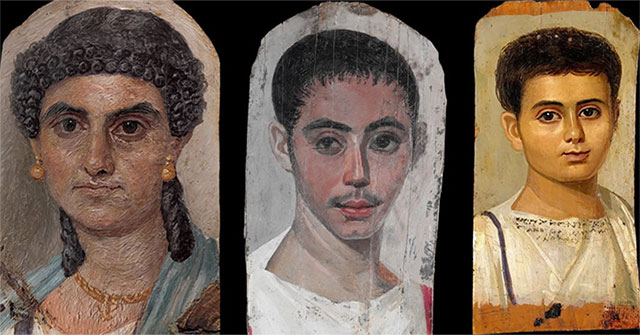
Today, worldwide there are only about 1000 portraits of ancient Egyptian mummies. The works were all used to cover the mummy's face, perhaps a way to remember the old ma…

Archaeologists have recently discovered mummies in the 4,500-year-old cemetery in Egypt.
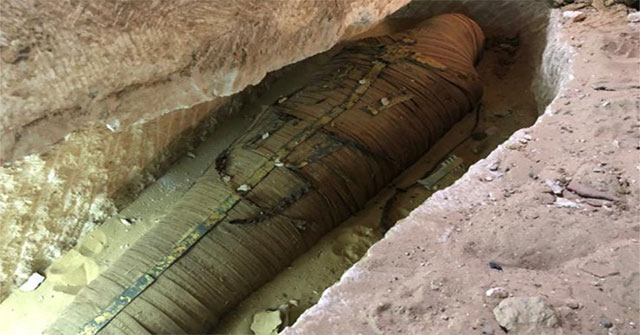
Experts collaborate with Discovery Channel to broadcast live the opening process containing the 2,500-year mummy of an Egyptian senior priest on April 7.
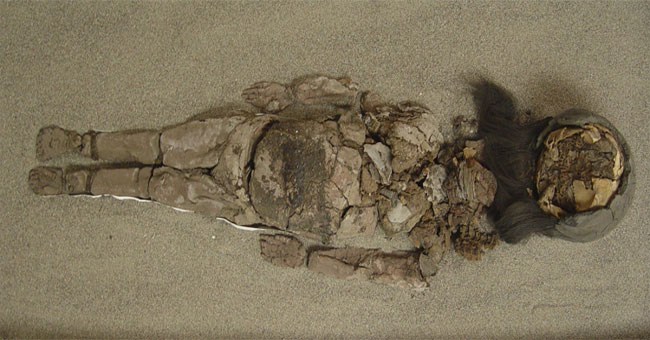
In 2016, the mummies in North Chile gradually liquefied for no reason, researchers at the time found a way to stop it.
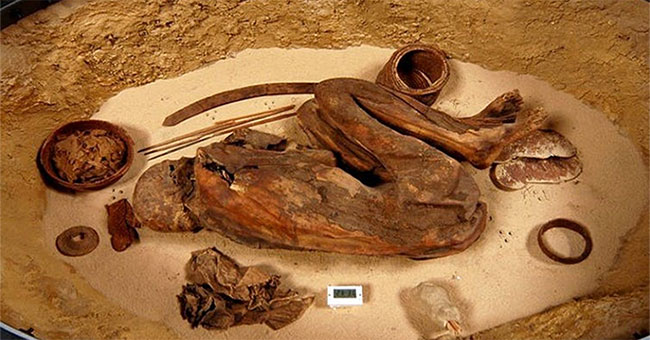
Dr. Jana Jones, Ancient History Department, Macquarie University, Australia and colleagues have published the results of a group analysis of a prehistoric Egyptian body.
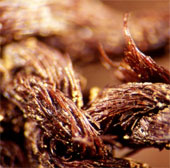
Rosin, oil, vegetable fat and herbal aromatherapy are important ingredients in the fabric of Egyptian prehistoric mummy cloth.
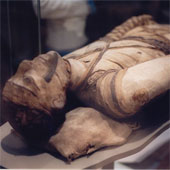
The ancient Egyptians embalmed the dead body because they believed it was a way for the dead to enjoy eternal life in the afterlife.
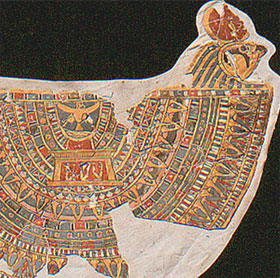
A colorful collar draped over an ancient mummy dating back to 2,300 years with mysterious figures symbolizing the immortal soul of mummies in ancient Egyptian beliefs.
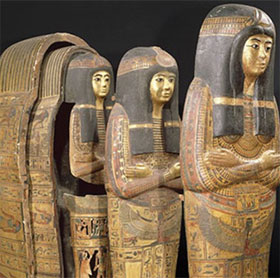
The inclusion of many coffins at burial shows not only the upper class, but the Egyptians believe that this will help the deceased to relate to their ancestors.
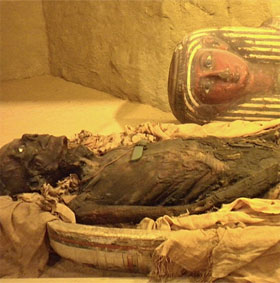
A recent study by archaeologist Andrew Wade has made our understanding of ancient mummies reviewed.
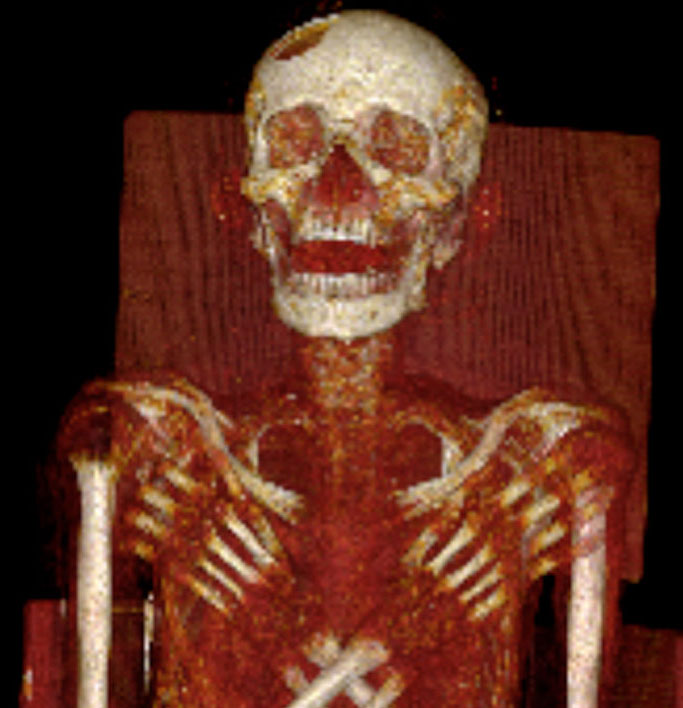
About 2900 years ago, an Egyptian man died at the age of 20 after suffering from a rare disease almost like cancer and also the cause of diabetes. It was found that the…
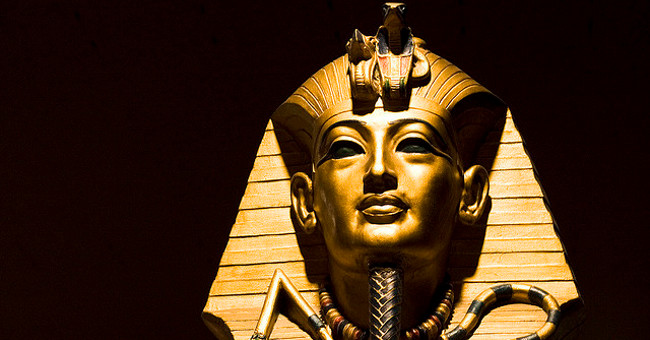
Movies about mummies often have two outstanding features, which are unbelievably large and evil curse that makes all treasure hunters tragic. But Hollywood did not inven…
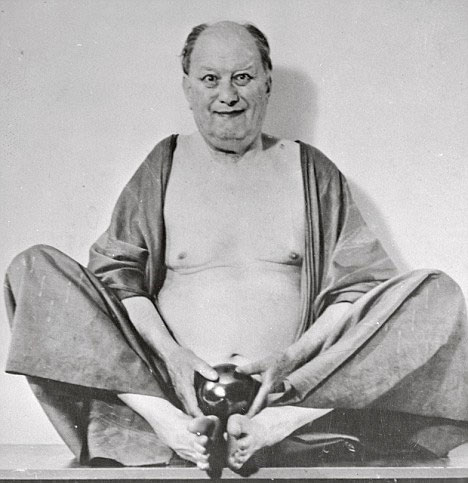
Tutankhamun's deadly curse is actually a murder plot made by a fanatic.
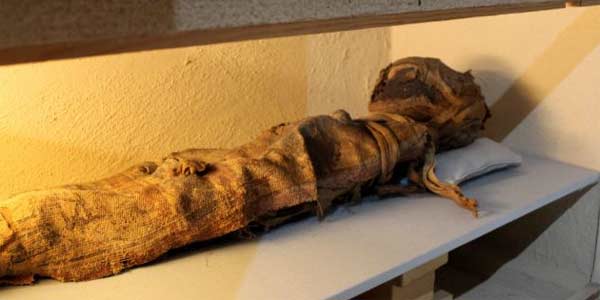
A 1,700-year-old Egyptian mummy was discovered to be male, despite using women's clothing. This mummy also revealed death due to brain bleeding.